
Blog
Public Sector Sales
Practical operating guides for building, prioritizing, and scaling a source-backed government go-to-market motion.

The Public Sector Sales Playbook: How to Build a Government GTM Motion From Scratch
Government GTM does not start with a portal login. It starts with a narrow market thesis, named accounts, early evidence, stakeholder coverage, and a cadence that turns every signal into a next action.
Read article →
Your First 90 Days as Head of Public Sector: A 30-60-90 Day Operating Plan
A new public-sector leader does not need the longest target-account list. They need a defensible market thesis, a small set of explicit account decisions, and a cadence that turns public evidence into the next action.
Read article →
How to Prioritize SLED Accounts: A State and Agency Scoring Template
A fifty-state tier list tells a sales team where government exists. It does not tell the team which agency has a problem it can solve, evidence that the problem is moving, or a useful action to take this week.
Read article →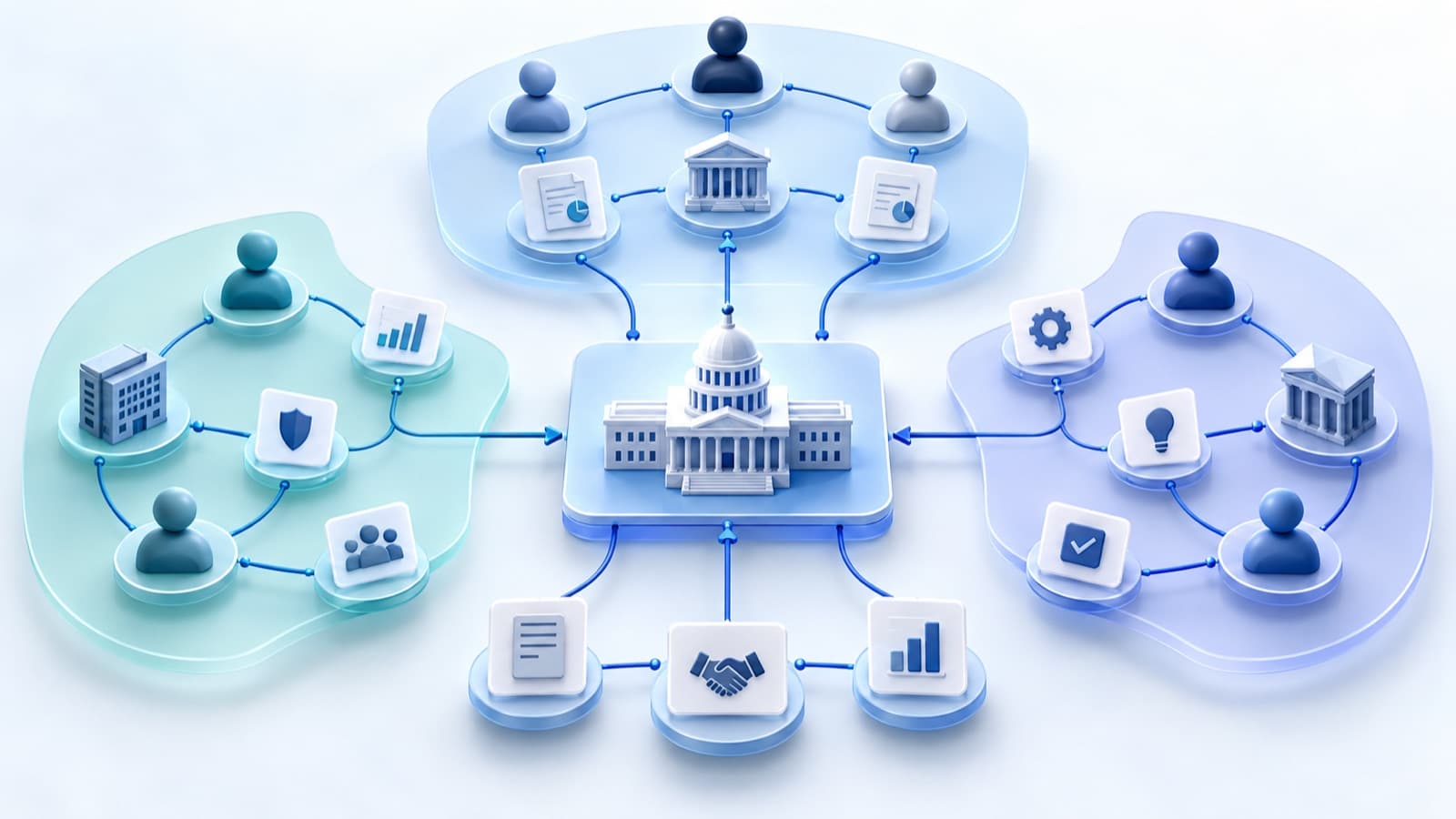
Government Stakeholder Mapping: The Three-Lane Capture Map
A spreadsheet of names tells you who exists. A capture map tells you how a public buyer moves from a recognized problem to an authorized purchase—and what your team should learn or do next without compromising a fair process.
Read article →
When to Build a Dedicated Public Sector Sales Team
The right time to build a public-sector sales team is not when one RFP lands or one certification clears. It is when repeatable fit, accessible demand, and a growing follow-through burden appear together.
Read article →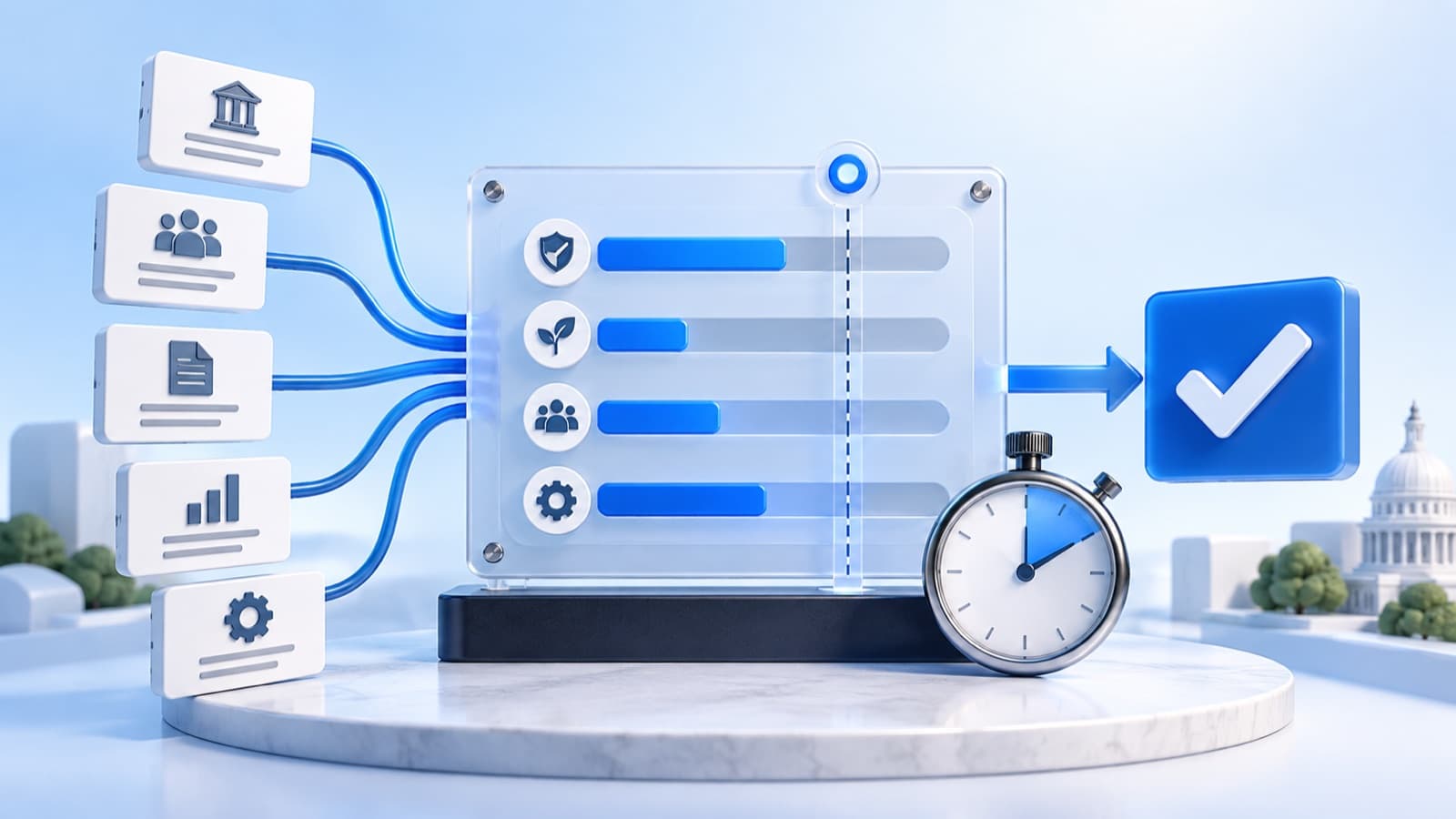
The Public Sector Pilot Scorecard: Metrics for a 30–45 Day Evaluation
A short pilot cannot prove that a government contract will close. It can test whether your team finds relevant buyer movement earlier, makes faster account decisions, and turns evidence into action.
Read article →
FedRAMP Is Not Your GTM Strategy: What to Do Before and After Authorization
A FedRAMP milestone can remove a security barrier. It cannot choose your market, create demand, map an agency, or turn a listing into pipeline. Build those parts of the federal motion before the security work is finished.
Read article →
FedRAMP vs. GovRAMP: Which Public Market Are You Actually Entering?
The expensive mistake is choosing a compliance program before choosing a market. Start with named buyers, intended uses, and data boundaries; then determine which security evidence those buyers will actually accept.
Read article →
How to Build Public-Sector Past Performance Before You Have Many Government References
A thin government logo sheet is not a dead end. Buyers need evidence that you can reduce the risks of this requirement, at this scale, in this environment—and an honest account of the gaps that remain.
Read article →
From White Paper to RFI to RFP: How Vendors Shape Requirements Without Crossing the Line
The best pre-RFP work does not slip a vendor’s feature list into a solicitation. It helps the buyer name the outcome, test the market, expose delivery risk, and run a competition that can produce a successful implementation.
Read article →
How to Use a Reseller Without Outsourcing Your Public-Sector GTM
A contract vehicle can make an order possible. It cannot decide which agencies matter, create buyer urgency, explain your product, or run the pursuit. The best reseller relationships start by drawing that line clearly.
Read article →
From Signal Feed to Daily Action: The Government Sales Operating Cadence
A signal feed does not create pipeline by itself. The useful operating system turns public evidence into a reviewed decision, a named human owner, and one dated next action.
Read article →Book a demo
Turn RFP knowledge into a revenue workflow.
Bring the contracts you care about. Settle will show where your team is likely missing signals and how past wins can improve future responses.