
Blog
RFP Strategy
How winning teams find the right opportunities, qualify ruthlessly, and turn RFPs into a repeatable revenue channel.
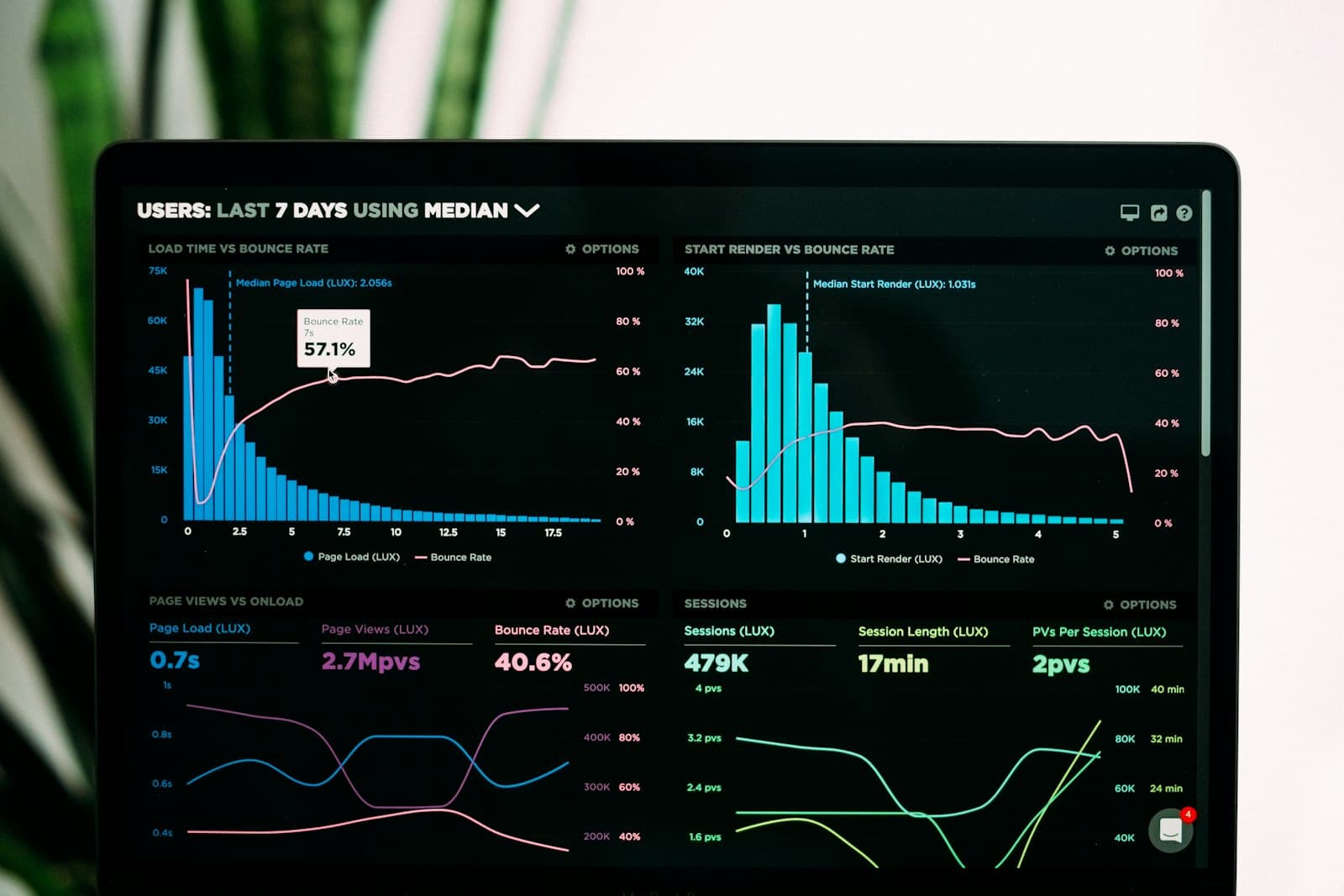
The Modern SLED Sales Tech Stack (and Why Teams With Five Tools Still Miss Opportunities)
One (very large) firm we spoke with had more than fifteen people spending one to three hours a day inside a bid database, plus six to eight person-hours a day triaging a shared procurement inbox. Asked what that cost, the answer was that nobody wanted to add it up.
Read article →
How to Track Expiring Government Contracts and Budget Approvals (Every Public Source, Mapped)
The federal government publishes period-of-performance data in one place. State and local government does not. But the raw material is public, and most of it is sitting in documents almost nobody in sales reads.
Read article →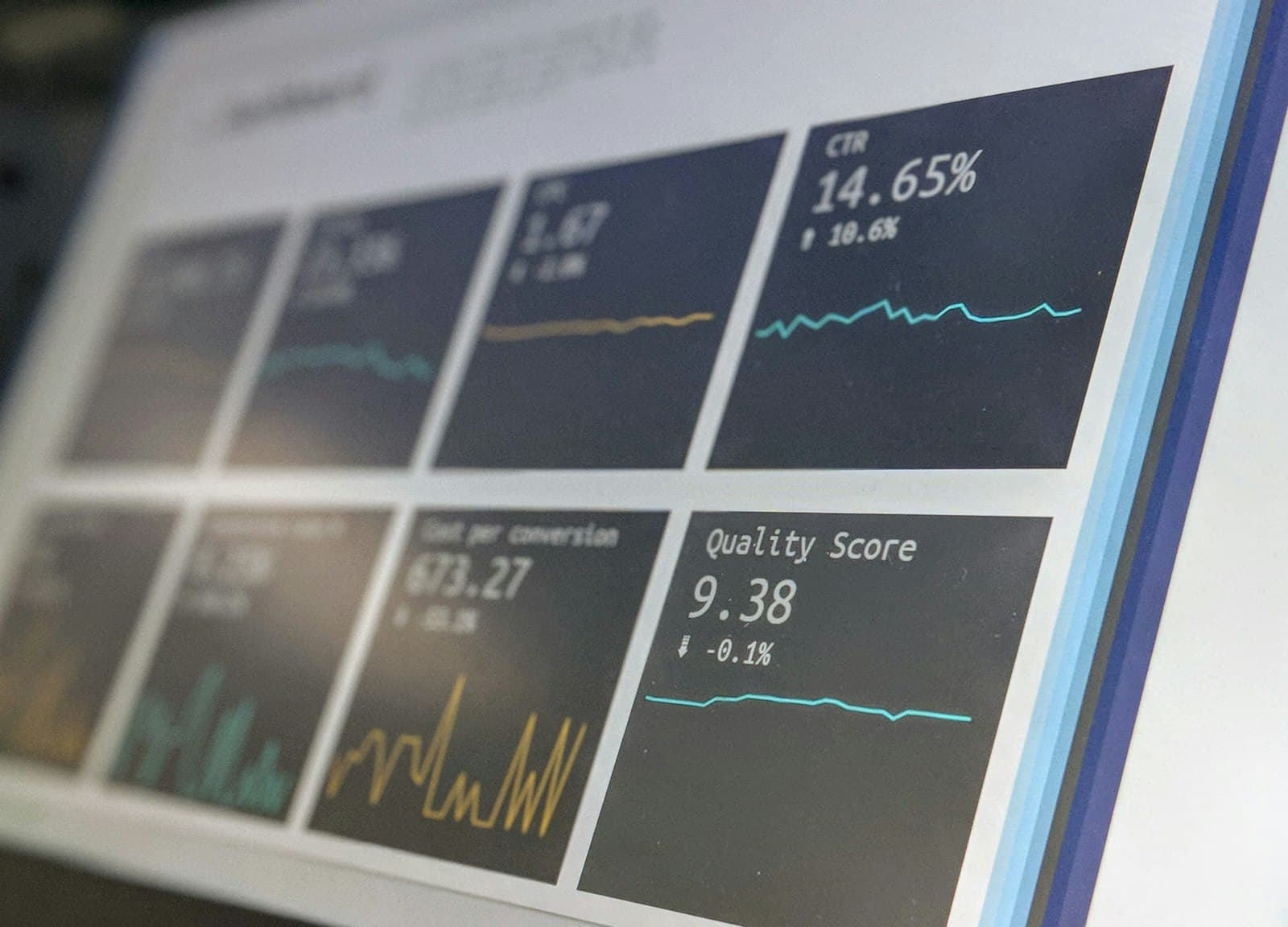
CRM-Integrated Procurement Signals vs. Manual Portal Monitoring: What Actually Changes
Manual portal monitoring does not lose a deal in one dramatic moment. It loses three days to aggregator lag, two to the weekend, two more to internal routing, and then the question deadline arrives. Against a median 22-day window, that arithmetic decides more bids than any pricing strategy.
Read article →
How Winning Vendors Engage Agencies Before the RFP Is Released (Including What a Procurement Chief Told Us)
The best public-sector sales teams are known to the program office months before a solicitation exists. Here is how they get there, what a big-city procurement chief says actually moves a purchase, and why the relationship window closes the day the RFP posts.
Read article →
Bid Portals vs. Signal Monitoring: An Honest Comparison for SLED Teams
Every SLED team eventually asks whether signal monitoring software should replace its bid portals. It should not. Portals tell you what has already been published, across a landscape of roughly 90,000 purchasing entities with no central index. Signal monitoring covers the nine to eleven months before anything is published. Teams that run only portals compete in the most crowded stage of the market with the least time. Teams that buy signals without a workflow just acquire a second feed to feel guilty about.
Read article →
Was That RFP Wired? The Tells, the Data, and the Honest Counterargument
The suspicion that an RFP was written for someone else is common, frequently justified, and almost never actionable after the fact. Here is what the data actually shows, which tells hold up, and why the only reliable countermove happens before the requirement is written.
Read article →
Next Year's RFP Was Decided 11 Months Ago: The SLED Budget Calendar Every Vendor Should Work Backward From
State and local RFPs do not appear out of nowhere. They are the visible end of a budget cycle that begins roughly eleven months earlier and leaves a public paper trail the entire way.
Read article →
Why Being on the Approved Vendor List Wins You Nothing (and What Actually Does)
A vendor held a seat on a Texas school district's multiple-award contract for two consecutive three-year terms. Six years of eligibility, zero inquiries, zero orders. The contract was not defective. The strategy was.
Read article →
How Top-Performing Bidders Actually Win RFPs
Most teams think they lose RFPs because their proposal was not persuasive enough.
Read article →
Stop Trying So Hard: What Marty Supreme Taught Us About Winning
Before you knew the plot or read a single review, Marty Supreme had already made an impression. Not through spectacle or noise, but through a quiet sense of confidence. The campaign didn’t feel rushed, overworked, or reactive. Everything arrived with intention.
Read article →
5 Red Flags in an RFP That Mean You Should 'No-Bid'
There is an old saying in sales: "The second best answer is 'No'."
Read article →
Stop Chasing RFPs. Let Them Come to You.
For most growth-focused companies, the "RFP hustle" is a full-time job that nobody actually has time for.
Read article →
Best Ways to Find RFPs for Your Business
Most teams know how to respond to RFPs. Few know how to find the right ones — consistently, efficiently, and before your competition does.
Read article →
Why Responding to RFPs Is Like Finding a Good Barber
Finding a good barber is hard.
Read article →
Are RFPs Worth the Effort? How to Turn a Sales Burden into a Growth Engine
RFPs are infamous inside sales teams. They are long, complex, and unpredictable. Teams sink dozens (sometimes hundreds) of hours into chasing opportunities with no guarantee of a return. It is no wonder many sales leaders ask: are RFPs really worth it?
Read article →
How to Find More RFPs: Smarter Prospecting for Scalable Growth
If you're part of a sales, proposal, or business development team, you already know that responding to RFPs can be a growth engine. But what happens when the funnel starts to dry up? Many teams struggle not because they can't win RFPs—but because they aren't seeing enough of them in the first place.
Read article →
RFP vs. RFI vs. RFQ: What's the Difference?
An RFP is a formal document companies send to potential vendors when seeking detailed proposals. RFPs are typically used for complex projects where the solution is just as important as the price. Vendors respond with detailed proposals that outline capabilities, solutions, and pricing.
Read article →
The Future of RFPs: Trends and Predictions
For years, responding to RFPs has been a necessary but often inefficient part of doing business. It’s a process known for its tight deadlines, manual coordination, and fragmented information. But that’s changing. The way companies manage and respond to RFPs is undergoing a transformation; driven by technology, evolving buyer expectations, and the increasing need for speed and accuracy.
Read article →Book a demo
Turn RFP knowledge into a revenue workflow.
Bring the contracts you care about. Settle will show where your team is likely missing signals and how past wins can improve future responses.